
PAINT PROBLEMS
ALLIGATORING
BLISTERING

Problem : Patterned cracking in the
surface of the paint film resembling the
regular scales of an alligator.
Possible Causes : Application of a top
coat before the undercoat is dry, or
natural aging of oil based paint as
temperatures fluctuate.
Solution : Old paint should be
completely removed. The surface should
be primed with a latex or oil based
primer, and then painted with an
exterior latex paint.

Problem : Bubbles resulting from localized loss
of adhesion and lifting of paint film from the
underlying surface.
Possible Causes :
Painting a warm surface in direct sunlight. Application of oil-based or alkyd paint over a wet or damp surface. Moisture escaping through exterior walls.
Solution :
If blisters go down to the substrate try to remove the source of moisture. If blisters do not go down to the substrate remove them by scraping and sanding. Prime any bare wood
and repaint.

BLOCKING
Problem : Undesirable sticking together
of two painted surfaces when pressed
together. Door sticking to the jamb.
Possible Causes : Not allowing sufficient
drying time before closing doors and
windows – Use of low quality paint.
Solution : Use top quality paints as lower
quality paints can have low block resistance. Follow paint instructions on drying times. Application of talcum powder can relieve persistent blocking.

BURNISHING
Problem : Increase in the gloss or sheen when subject to rubbing, scrubbing, or having an object brush up against it.
Possible Causes : Using a flat paint in high traffic areas – Frequent washing and cleaning - Lower quality paints.
Solution : Paint heavy traffic areas that require regular cleaning with top quality paints for durability. Clean painted areas with a soft cloth and non abrasive cleaners.

CHALK - RUN DOWN
Problem : The washing down of chalk from an excessively eroding paint onto another area below.
Possible Causes : Use of low quality, highly pigmented paint.
Solution : Remove as much of the chalk
residue as possible. Scrub any stained areas with a stiff brush, using a detergent solution. In cases of severe staining an acid wash may be necessary.

CHALKING
Problem : Formulation of fine powder on the
surface of the paint film during weathering, which can cause colour fading.
Possible Causes : Using a flat paint in high traffic areas – Frequent washing and cleaning - Lower quality paints.
Solution : Paint heavy traffic areas that require regular cleaning with top quality paints for durability. Clean painted areas with a soft cloth and non abrasive cleaners.

CRACKING & FLAKING
Problem : The splitting of a dry paint film. Initially as hairline cracks, later, flaking of paint chips occur.
Possible Causes : Use of low quality paints with
poor adhesion and flexibility. Poor surface
preparation and the excessive hardening of
alkyd paints as they age.
Solution : Remove the loose flakes with a scraper or wire brush, prime any bare spots and repaint. If the cracking goes down to the substrate remove all paint with a heat gun.

DIRT PICKUP
Problem : Accumulation of dirt, dust
particles and debris on the paint film.
Possible Causes : Use of low quality paint – soil splashing – air – pollution car exhaust, dust.
Solution : Wash off all surface dirt before
priming and painting. Use scrubbing brush and detergent solution and wash thoroughly. Repaint with a sheen finish paint. Higher gloss paints are more resistant to dirt pick up.

FADING POOR COLOUR RETENTION
Problem : Premature and excessive
lightening of the colour. Often occurs on
surfaces with sunny exposure.
Possible Causes : Use of an interior paint
for an exterior application. - Low quality paint leading to chalking - A paint colour that is vulnerable to UV - The over tinting of a paint base.
Solution : Remove the chalking and repaint with a quality top coat for exterior application.

FADING POOR COLOUR RETENTION
Problem : Premature and excessive
lightening of the colour. Often occurs on
surfaces with sunny exposure.
Possible Causes : Use of an interior paint
for an exterior application. - Low quality paint leading to chalking - A paint colour that is vulnerable to UV - The over tinting of a paint base.
Solution : Remove the chalking and repaint with a quality top coat for exterior application.

GALVANISED METAL
Problem : Paint that has lost its adhesion
to a galvanised metal substrate.
Possible Causes : Improper surface preparation and failure to apply a primer before the application of a top coat.
Solution : A metal primer should always be applied to unpainted galvanized steel before applying an oil based or latex top coat.

LAPPING
Problem : Appearance of a denser colour or higher gloss where wet and dry layers overlap during paint application.
Possible Causes : Failure to maintain a
‘wet edge’ when applying paint.
Solution : Brush from wet to dry and not visa versa will help produce a smooth uniform appearance. It is also wise to minimise the area being painted and plan for interruptions and breaks.

MILDEW
Problem : Black, grey or brown spots on
the surface of the paint.
Possible Causes : Forms most on areas that tend to be damp and receive little or no direct sunlight. Lower quality paint and the failure to prime a bare wood surface.
Solution : Test for mildew by applying a few drops of bleach. If it disappears it is probably mildew. Clean thoroughly and repaint with a quality topcoat.
MOTTLING

Problem : Crusty, white salt deposits leached from mortar or masonry as water passes through it.
Possible Causes : Bad preparation –
Excess moisture escaping through the
exterior walls from the inside
Solution : Find the cause of moisture
escaping. Remove the loose material with a wire brush. Apply a solvent based masonry sealer and coat with top quality exterior paint.

MUD CRACKING
Problem : Deep, irregular cracks resembling dried mud in dry paint film.
Possible Causes : Paint is applied too thickly, usually over a porous surface or to improve poor hiding power of an inferior product.
Solution : Remove coating by scraping and sanding. Prime and re-paint. Quality paints have a higher solid content, which reduces the tendency to mud crack and also have better hiding properties.

NAIL HEAD RUSTING
Problem : Reddish brown stains on the paint surface.
Possible Causes : Non galvanised iron
nails have begun to rust.
Solution : Counter-sink the nail-heads and cover them with an acrylic or siliconized filler. Each nail head should be spot primed then painted with a latex topcoat.

PAINT INCOMPATIBILITY
Problem : Loss of adhesion where many old coats of alkyd or oil based paint receive a latex top coat.
Possible Causes : Water-based latex paint over old alkyd and oil based paint will probably cause the old paint to lift off the substrate.
Solution : Completely remove existing paint and prepare the surface. Sand and spot prime where necessary.


PICTURE FRAMING
Problem : The effect of a wall that is painted with a roller and brushed in the corners. Also sprayed areas may be darker than those brushed or rolled.
Possible Causes : Brushing will generally result in lower spreading rates than a roller, producing a thicker film and more hiding power.
Solution : Make sure the spread rates with brushes and rollers are similar. Work in small sections of the room to keep a ‘wet edge’.

POOR FLOW / LEVELING
Problem : Failure of paint to dry to a smooth film, resulting in unsightly brush and roller marks.
Possible Causes : Application of additional
paint to ‘touch up’ partially dried painted areas. Use of wrong roller brush.
Solution : Use top quality paints that will
enhance paint flow. When using a roller
be sure to use a cover with the recommended nap length for the type of paint being used. Poor paint brushes can result in bad flow.

POOR GLOSS RETENTION
Problem : Deterioration of the paint film,
resulting in excessive or rapid loss of lustre to the top coat.
Possible Causes : Use of an interior paint
outdoors – Use of low quality paint – Use of alkyd paint in direct sunlight.
Solution : Direct sunshine can degrade the binder and pigment of a paint causing it to chalk and lose its gloss. The binder in top quality acrylic paints is especially resistant to UV radiation.

POOR HIDING
Problem : Failure of dried paint to obscure or hide the surface to which it is applied.
Possible Causes : Use of low quality paints and poor quality tools. Improper combination of tinting base and colour. Using paint that is lighter than substrate.
Solution : If the substrate is darker it should be primed before a topcoat is used. Use a top quality paint with good hiding power together with the correct tint base.

POOR PRINT RESISTANCE
Problem : Tendency of paint film to take on the imprint of an object that is placed on it - shelf with books, dish, and other objects.
Possible Causes : Low quality enamels or putting a painted surface back into use before the paint has dried.
Solution : Use top quality paints. Make sure the recommended ‘curing’ time is allowed before it is put into service. Cool or humid conditions require more curing.

POOR SCRUB RESISTANCE
Problem : Wearing away or removal of the paint film when scrubbed with a brush, sponge or cloth.
Possible Causes : Use of low quality paints, wrong sheen, inadequate drying time before washing. Aggressive scrubbing resulting in ‘Burnishing’.
Solution : High traffic areas may require a high sheen rather than a flat paint to provide good scrub resistance. Allow good drying time for the paint to fully cure.

POOR SHEEN UNIFORMITY
Problem : Shiny or dull spots on a painted surface.
Possible Causes : Uneven spread rate –
Failure to prime a porous surface –
poor application resulting in ‘Lapping’.
Solution : Prime all porous surfaces. Often a second coat will even out sheen irregularities.

POOR STAIN RESISTANCE
Problem : Failure of the paint to resist absorption of dirt and stains.
Possible Causes : Use of lower quality paint that is porous in nature. Application of paint to un-primed substrate.
Solution : Higher quality latex paints contain more binder which helps prevent stains from penetrating the painted surface, allowing for easy removal.

SAGGING
Problem : Downward ‘drooping’ movement
of the paint film immediately after application resulting in a uneven coating.
Possible Causes : Application of a heavy
coat of paint – Application in cold or humid conditions – Over thinned paint – Spraying too close to the substrate.
Solution : If the paint is still wet, immediately brush out and redistribute the excess evenly. If the paint has dried, sand and repaint. Consider removing doors to paint horizontally.
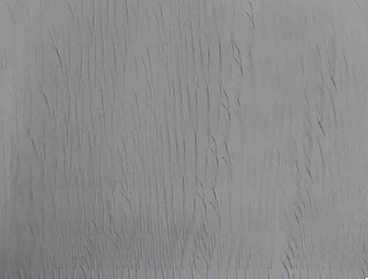
STIPPLE
Problem : Unintentional textured pattern left in the paint by the roller.
Possible Causes : Incorrect roller – Low quality paint – low quality roller– incorrect rolling technique.
Solution : Use quality rollers to ensure adequate film thickness and uniformity. High quality paint tends to roll on more evenly. Do not let paint build up at the roller ends.

SURFACTANT LEACHING
Problem : Concentration of water soluble ingredients on the surface of a latex paint, typically on a ceiling surface in rooms that have high humidity Bathrooms/Kitchens.
Possible Causes : All latex formulas will
exhibit tendency if applied in humid areas.
Solution : Wash the affected area with soap and water and rinse. Remove all staining before painting.

TANNIN STAINING
Problem : Brownish or tan discoloration on the paint surface due to migration of tannins from the substrate through the paint film. typically occurs on staining woods.
Possible Causes : Failure to adequately prime and seal the wood – Excess moisture escaping through the exterior wall.
Solution : Correct any possible sources of excess water. Apply a stain resistant primer. In extreme conditions apply two coats.

ROLLER SPLATTERING
Problem : Stains that come from waxy
substances in the reconstituted wood products used to make hardboard. These staining substances bleed through the paint.
Possible Causes : Failure to apply a proper
primer before applying the top coat. Allowing the hardboard to weather before applying paint.
Solution : Apply a top quality exterior acrylic latex primer. Low quality highly pigmented flat paints are more prone towax bleed than higher quality paints.

VINYL SIDING WARPING
Problem : Warping or buckling of vinyl siding panels that have been re-painted.
Possible Causes : Most likely re-painted with a darker colour than the original paint. Dark paint tends to absorb the heat of the sun, transferring it to the substrate. When Vinyl siding expands dramatically it is not able to contract to its original dimensions.
Solution : Paint in a shade no darker than the original . Use a good quality paint that has plenty of flexibility. Best colours are whites and pastels.

WAX BLEED
Problem : Stains that come from waxy
substances in the reconstituted wood products used to make hardboard. These staining substances bleed through the paint.
Possible Causes : Failure to apply a proper
primer before applying the top coat. Allowing the hardboard to weather before applying paint.
Solution : Apply a top quality exterior acrylic latex primer. Low quality highly pigmented flat paints are more prone to wax bleed than higher quality paints.

WRINKLING
Problem : A rough, crinkled paint surface, which occurs when uncured paint forms a ‘skin’.
Possible Causes : Paint applied too thickly
– Painting during high, low temperatures or damp conditions exposing uncured paint to high humidity
– Applying top coat to uncured primer.
Solution : Scrape and sand to remove
climatic conditions.

YELLOWING
Problem : Developing of a yellow cast in aging paint; most noticeable in the dried films of white paints or clear varnish.
Possible Causes : Oxidation of the paint
– Heat from stoves radiators etc.
– Lack of light, behind pictures or appliances etc.
Solution : Latex paints do not tend to yellow. Solvent paints tend to yellow because of their curing system.